






Small Basement Cracks: When to Worry and Warning Signs Every Grand Rapids Homeowner Should Know
What causes small basement cracks and when you should take action
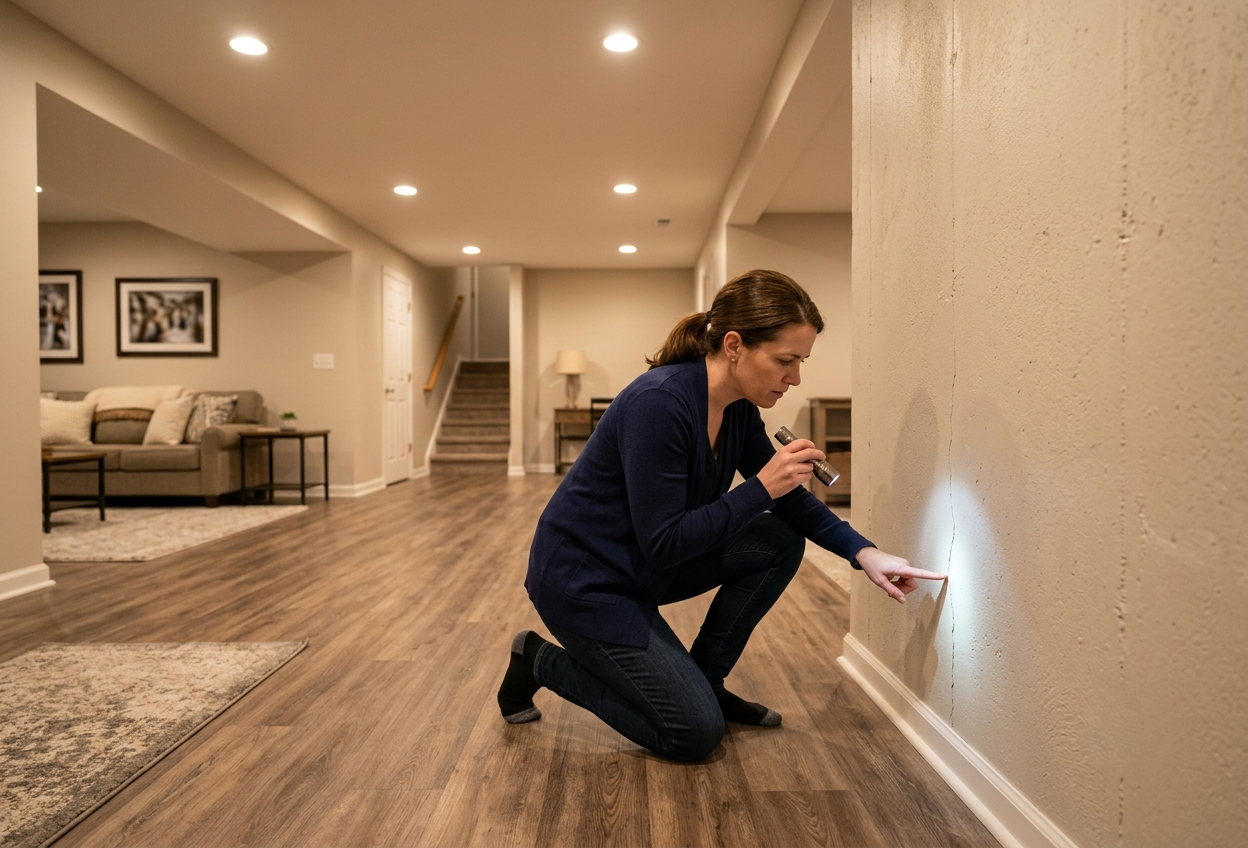
Maybe you've walked past that small crack in your basement dozens of times without giving it much thought. After all, it's thin, doesn't seem to be growing, and your home feels perfectly fine. After all, houses settle over time, right?
Sometimes they do.
But sometimes, what looks like a harmless crack is your home's way of telling you something isn't quite right.
The tricky part is knowing the difference.
If you live in Grand Rapids, MI, your foundation deals with a lot throughout the year—from freezing winters and spring thaw to heavy rains that leave the ground saturated. These changing conditions can put extra pressure on your basement walls, turning a small crack into a much larger problem if it's ignored.
Before you panic, let's look at what basement cracks really mean, when they're considered normal, and the warning signs you shouldn't overlook.
Are Small Basement Cracks Normal?
The short answer is yes—many of them are.
Concrete is incredibly strong, but it isn't immune to change. As it cures, it naturally shrinks a little, which often leads to small hairline cracks. Over the years, your home will also experience some natural settling as the soil beneath it gradually adjusts.
A crack is generally less concerning if it:
- Is thinner than about 1/8 inch
- Runs vertically rather than horizontally
- Hasn't changed in size over time
- Doesn't leak water
- Isn't causing the wall to bulge or bow
Even if a crack seems harmless today, it's still worth keeping an eye on it. Foundations change gradually, and catching a problem early is always easier than dealing with a major repair later.
Why Do Basement Cracks Form?
Cracks don't appear for just one reason. They're usually the result of your foundation responding to changes in its environment.
A few common factors can lead to basement cracks, such as:
Natural Concrete Shrinkage
As freshly poured concrete sets and strengthens, minor shrinkage can occur, creating small surface cracks.
Hairline cracks often develop during this normal curing process and may never become a problem.
Normal Foundation Settlement
Every home settles to some degree. As the soil beneath the foundation compresses over time, small vertical cracks can develop. This process is usually slow and expected.
Grand Rapids' Freeze-Thaw Cycles
Michigan weather can be especially hard on foundations.
Cold winter temperatures can turn a minor crack into a larger one as moisture inside the concrete freezes, expands, and pushes against the surrounding material. As this cycle repeats throughout the winter, those once-small cracks can slowly become larger.
Poor Drainage Around the Home
Water should always drain away from your foundation.
When gutters overflow, downspouts empty too close to the house, or the yard slopes toward the foundation, excess moisture builds up around basement walls. Left unchecked, this ongoing pressure can slowly cause cracks to expand.
When a Small Crack Could Mean Something More
Not every crack needs immediate repair, but some shouldn't be ignored.
Here are a few signs it's time to have your basement evaluated.
The Crack Keeps Getting Bigger
A crack that's growing is often a sign that your foundation is still moving.
Watch for cracks that become:
- Wider
- Longer
- More noticeable
- Connected to new cracks
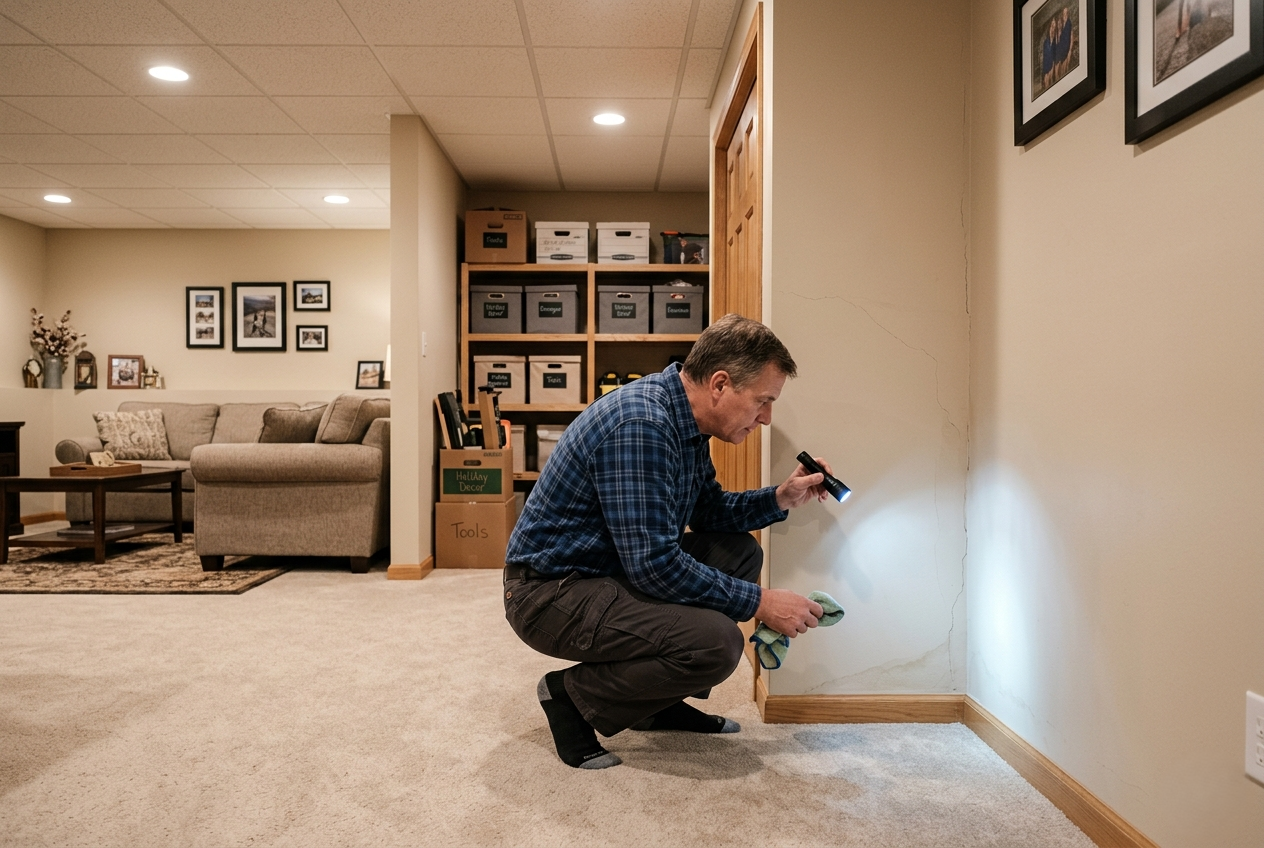
Keeping a simple photo log lets you track whether the crack stays the same or begins to spread.
Water Is Coming Through the Crack
A little moisture today can become a much bigger headache tomorrow.
Watch for these indicators that water is finding a path through the crack:
- Damp walls
- Water stains
- Mold or mildew
- Musty basement odors
- Small puddles after heavy rain
Moisture problems rarely improve on their own.
Horizontal Cracks
Horizontal cracks deserve special attention because they're often caused by pressure from the soil outside your home pushing against the basement wall.
As pressure builds outside the foundation, these cracks may develop before more obvious signs of wall movement become visible.
Stair-Step Cracks
If your home has a brick or concrete block foundation, stair-step cracks may indicate uneven settlement.
While they don't always point to a serious structural issue, they're worth having inspected before they worsen.
Can a Small Basement Crack Become a Bigger Problem?
It certainly can.
A crack that starts out barely noticeable may eventually allow water into your basement, create conditions for mold growth, or become part of a larger foundation issue.
Ignoring the problem can also lead to repairs that are far more expensive than addressing it early.
That's why regular inspections—even if you're simply checking the cracks yourself—are a smart part of home maintenance.
How to Monitor Basement Cracks
You don't need specialized equipment to keep track of changes.
A few simple habits can help you stay ahead of potential problems:
- Take clear photos every few months.
- Measure the width of the crack.
- Check the area after heavy rain.
- Look for new cracks nearby.
- Pay attention to sticking doors or windows.
- Watch for uneven floors or walls that appear to lean.
If you notice changes over time, it's a good idea to have the foundation professionally evaluated.
Don't Let a Small Basement Crack Become a Bigger Problem
Most small basement cracks don't mean your home is in immediate danger, but they also shouldn't be ignored. Knowing the difference between normal settling and signs of a more serious foundation issue can help you make informed decisions before minor problems become costly repairs.
At Grand Rapids Basement Pros, we're committed to helping homeowners protect their biggest investment. Our team will carefully evaluate your basement, identify what's behind the cracks, and provide honest recommendations based on your home's specific needs—not a one-size-fits-all solution.
If you've noticed basement cracks, water seepage, or other signs of foundation movement,
contact us today. Addressing the problem early can help prevent more extensive damage and give you confidence that your home's foundation is built to last.