



Basement Finishing vs. Remodeling: What's the Difference?
What’s the difference between finishing and remodeling?
Most Grand Rapids homeowners have a complicated relationship with their basement. It's either a graveyard for holiday decorations and forgotten treadmills, or it's a finished space from 1987 that still has the wood paneling to prove it. Either way, at some point the thought crosses your mind: it's time to actually do something down there.
So you start Googling. And almost immediately you run into two terms used like they mean the same thing — basement finishing and basement remodeling. They don't. And knowing the difference before you call a contractor could save you a lot of confusion, miscommunication, and money.
Basement Finishing: Starting From Zero
If your basement looks like the inside of a parking garage — bare concrete walls, pipes running across the ceiling, a single bulb hanging from the ceiling — what you need is finishing. Not remodeling. Finishing.
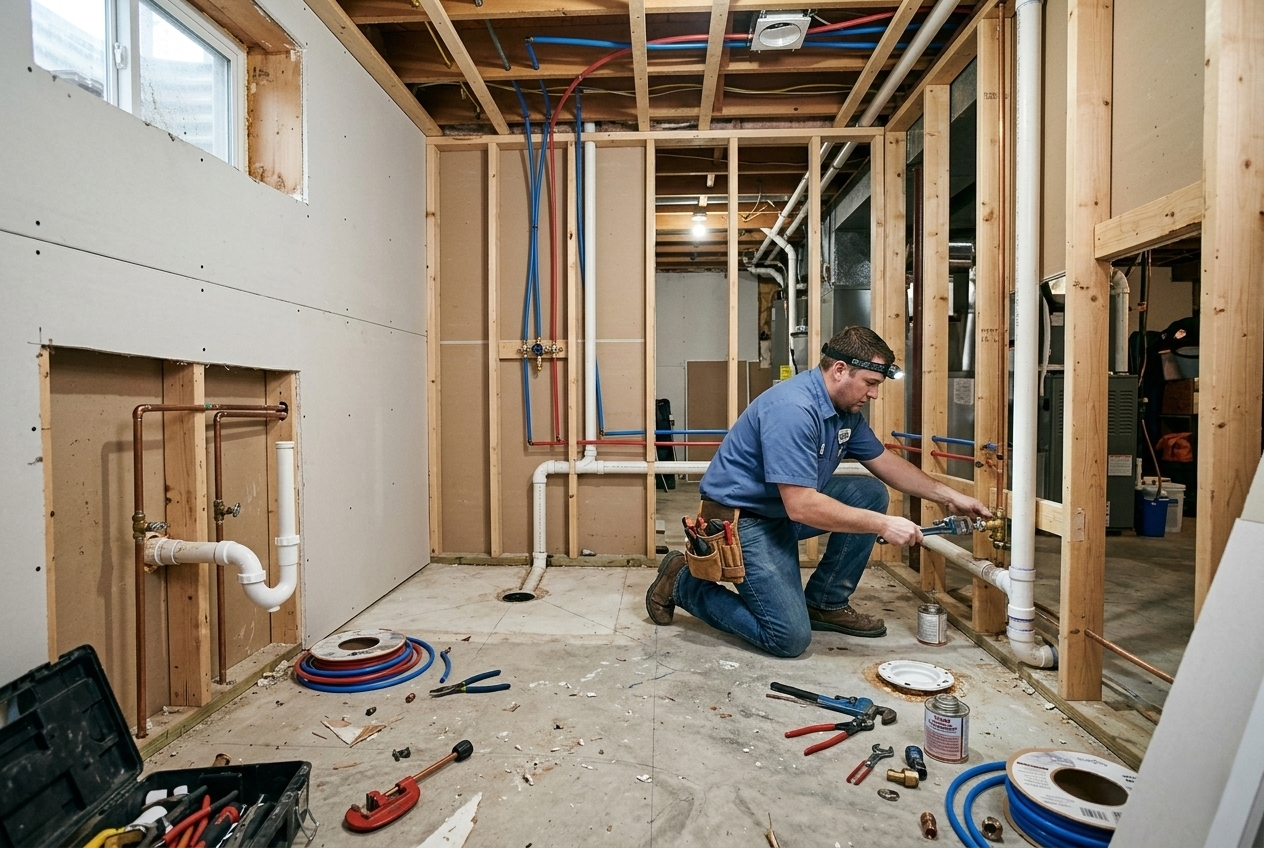
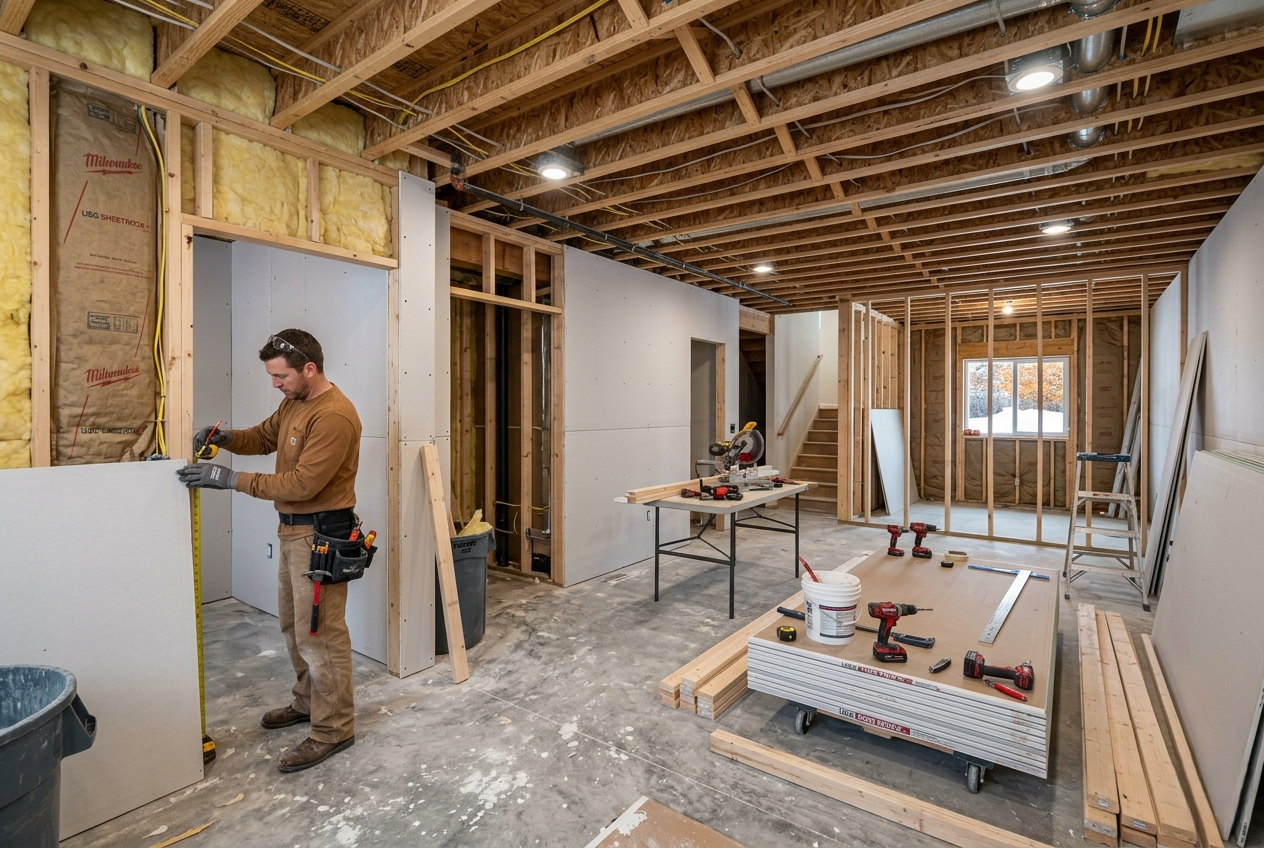
Basement finishing is exactly what it sounds like: taking a space that has nothing and turning it into something you'd actually want to spend time in. That means framing out walls, adding insulation, hanging drywall, laying flooring, running electrical, connecting lighting, and tying into your HVAC system. If you want a bathroom down there, that gets roughed in too. If your basement doesn't have an egress window, Michigan code may require one depending on how the space gets used.
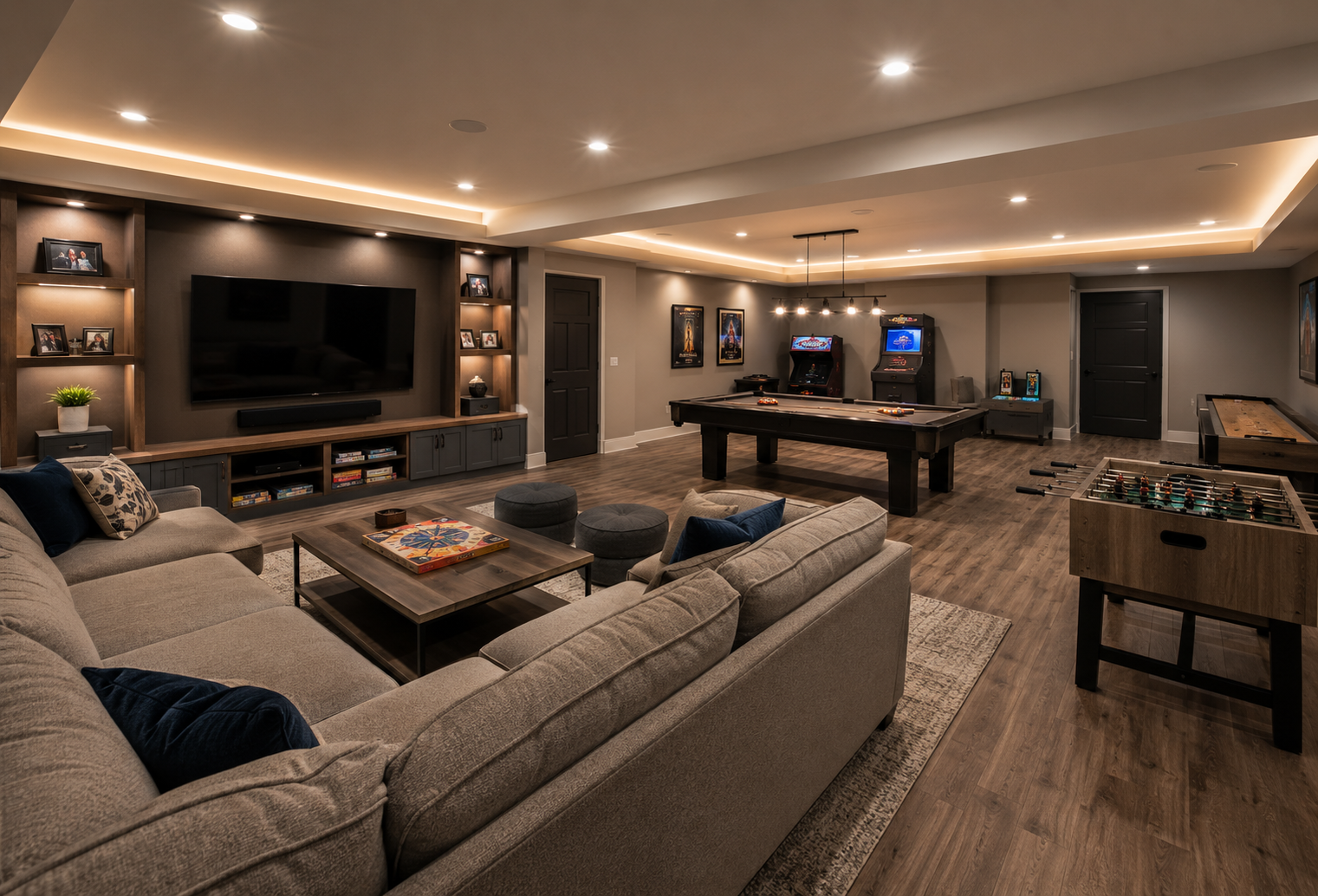
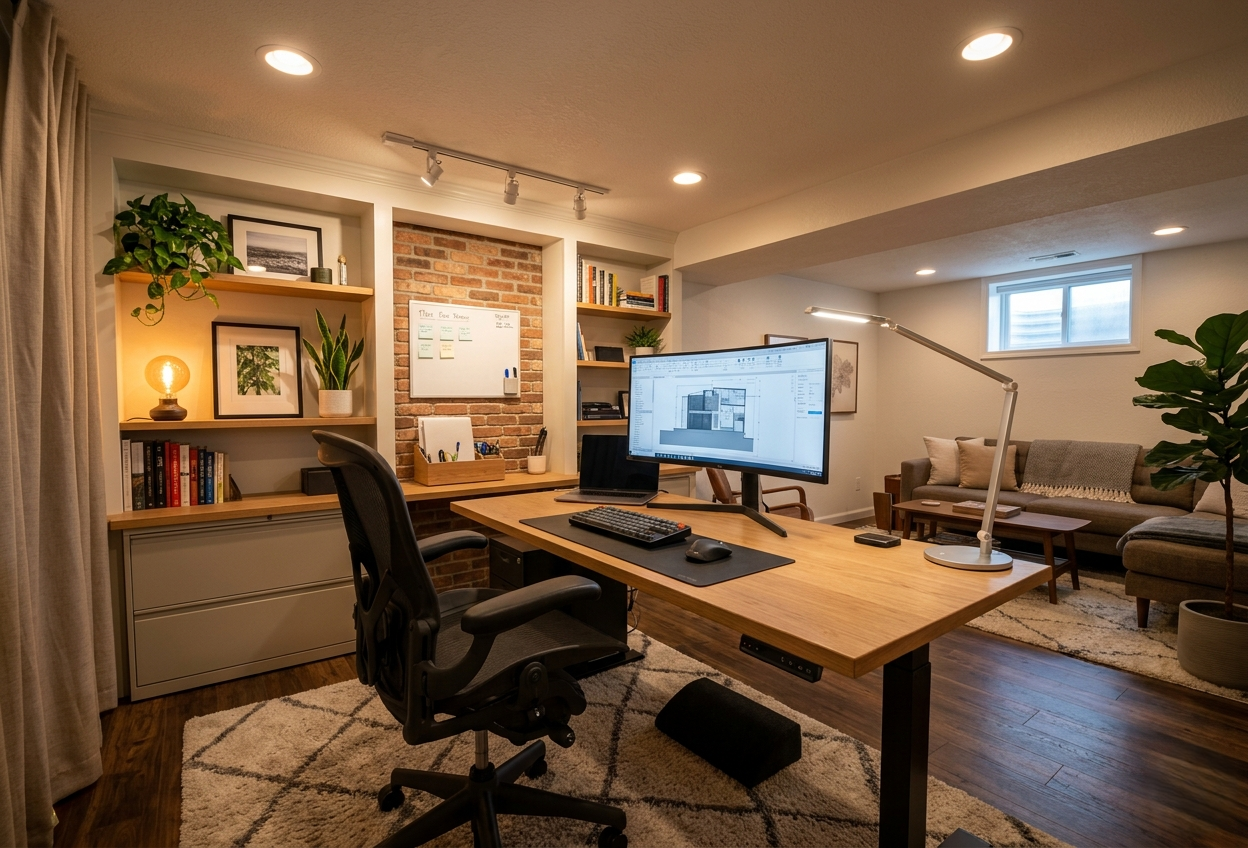
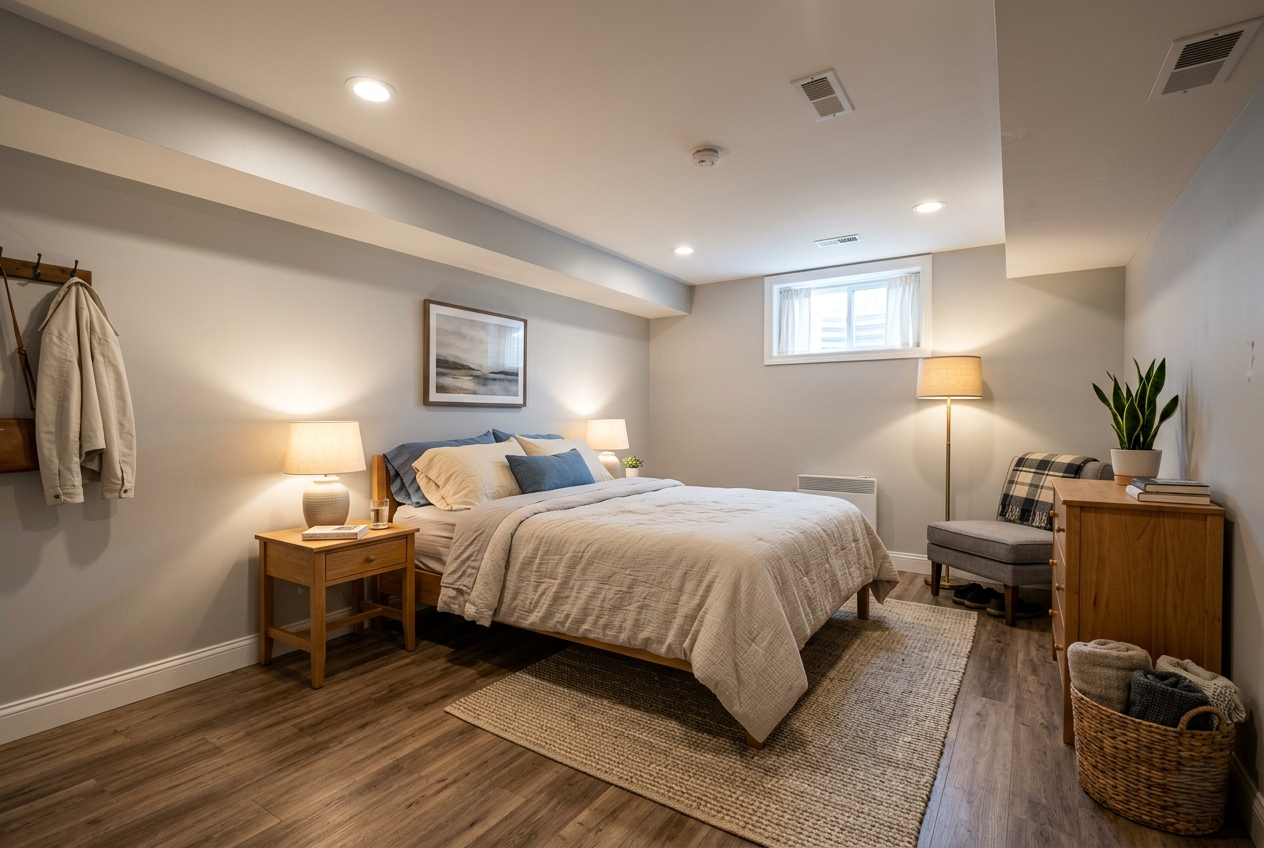
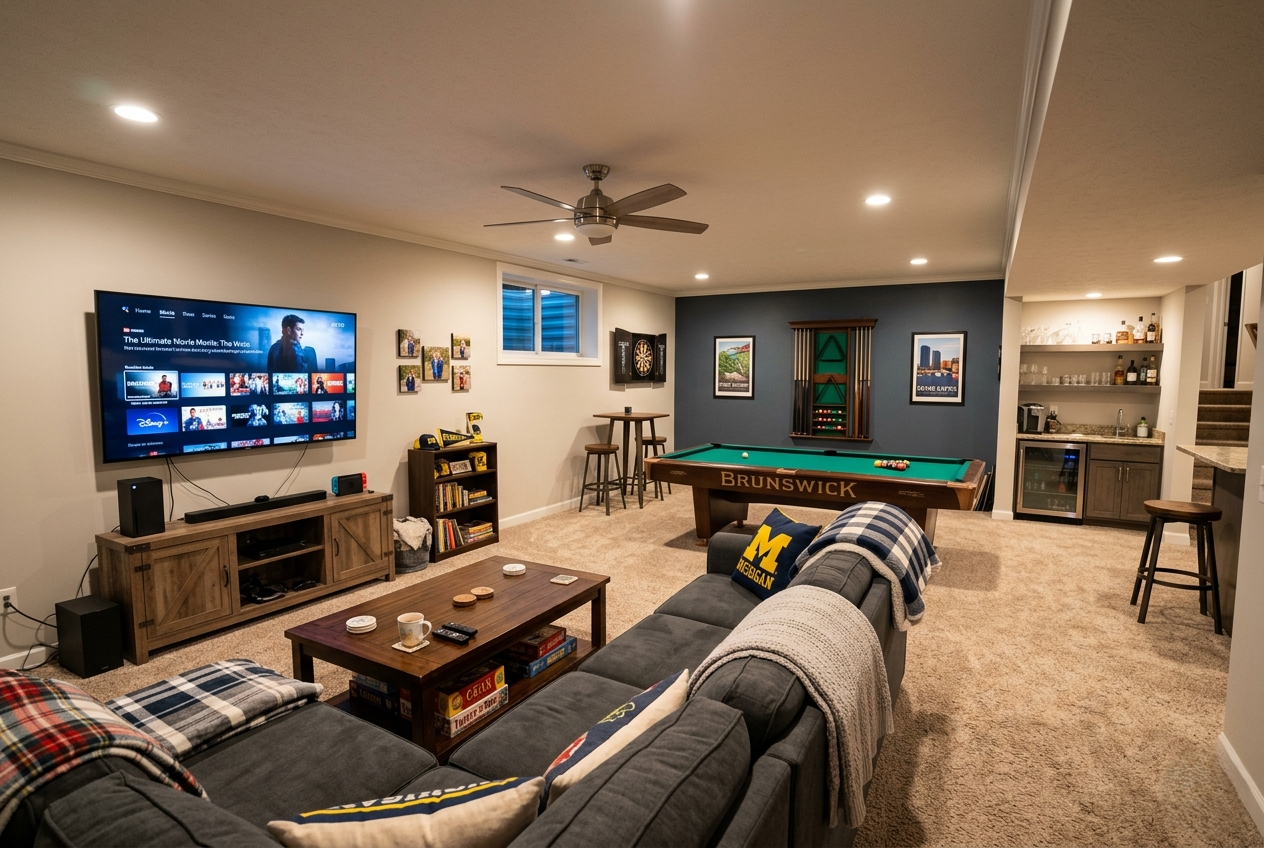
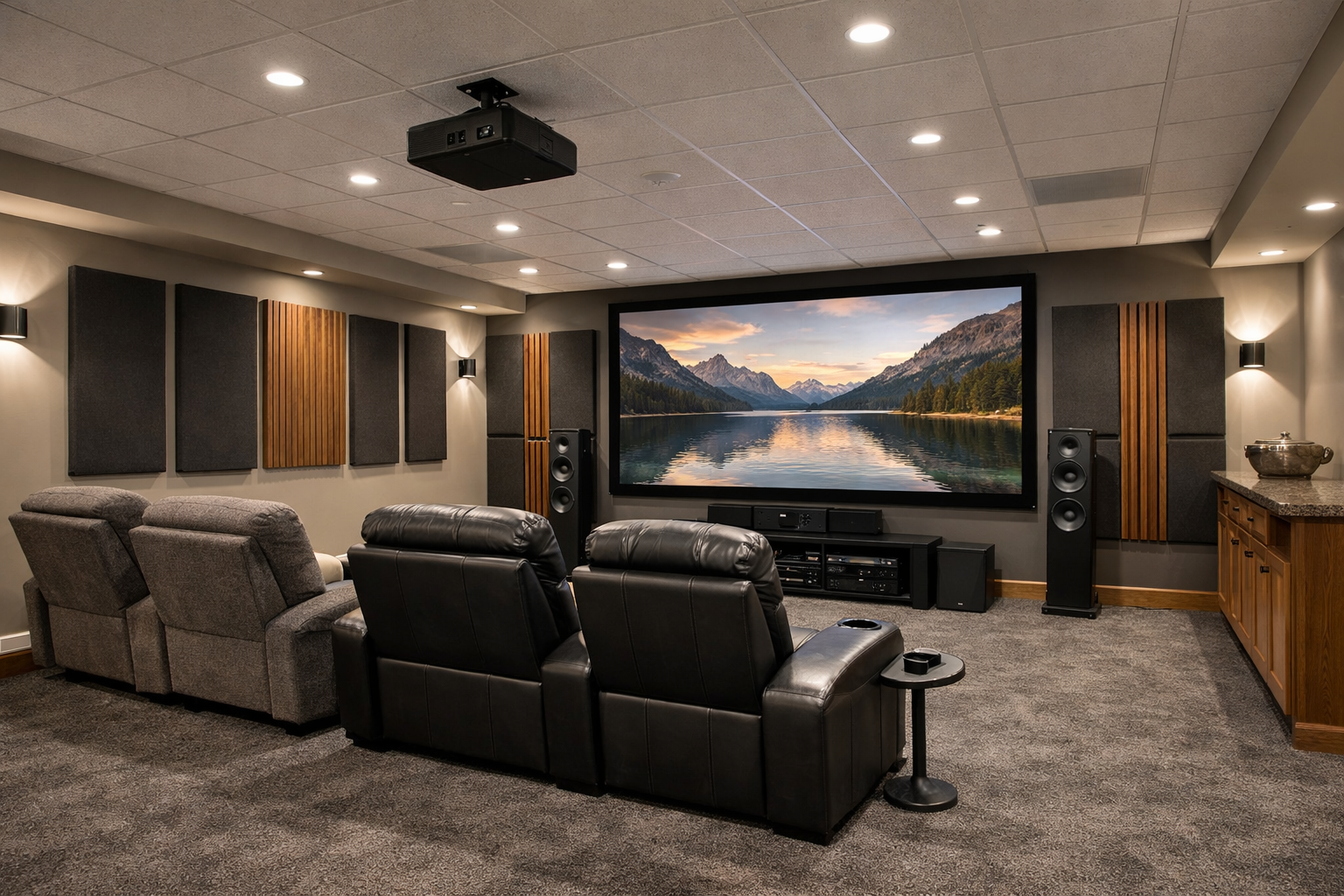
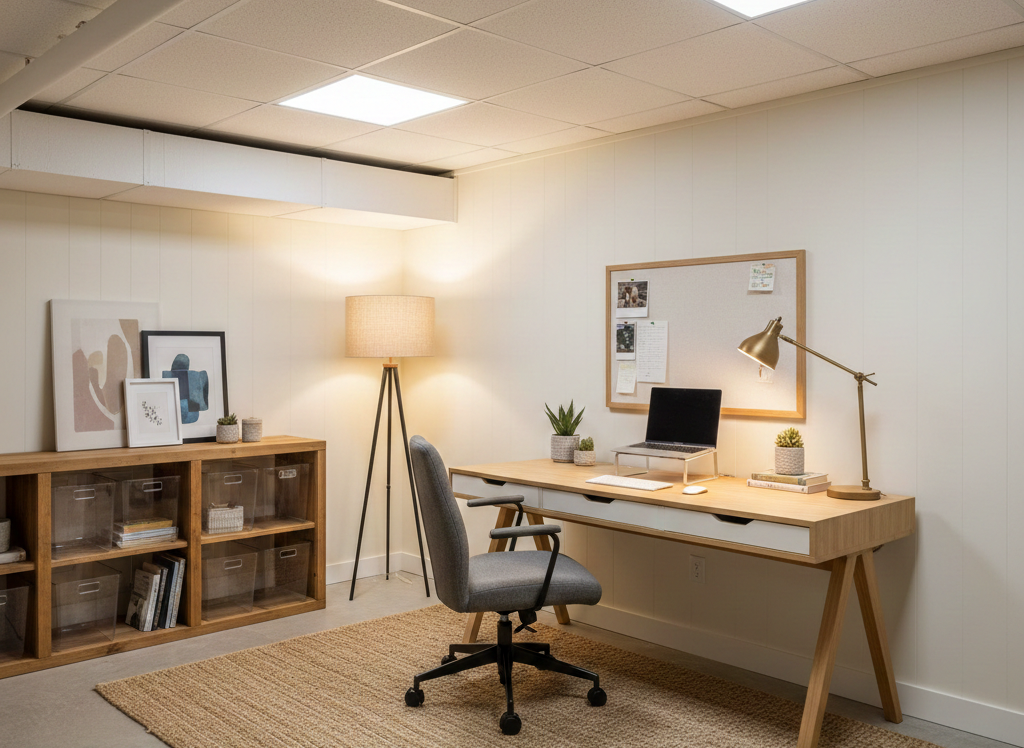
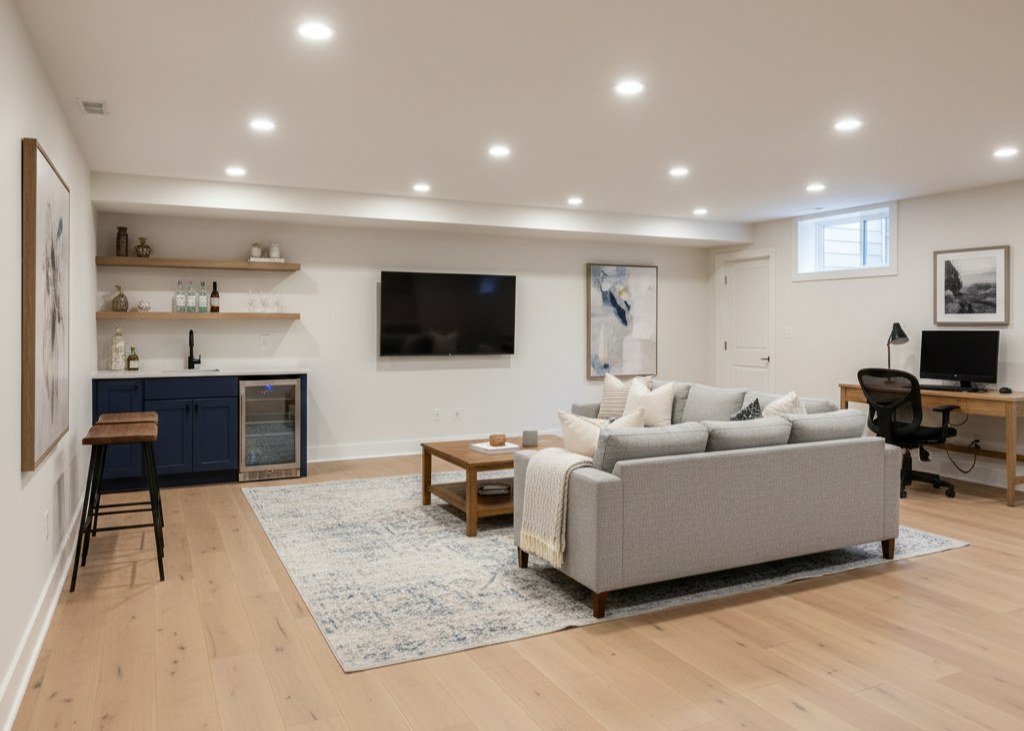
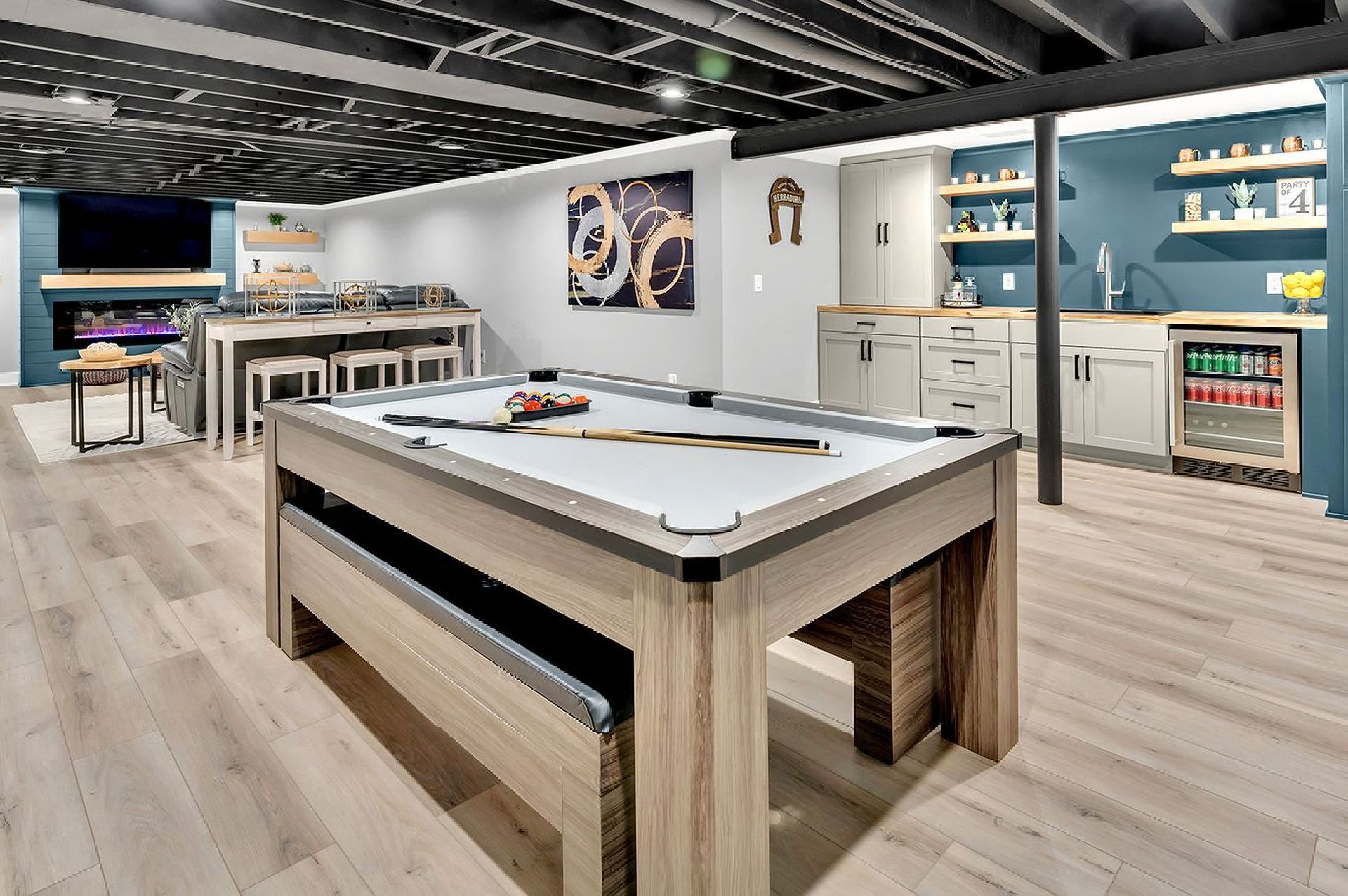
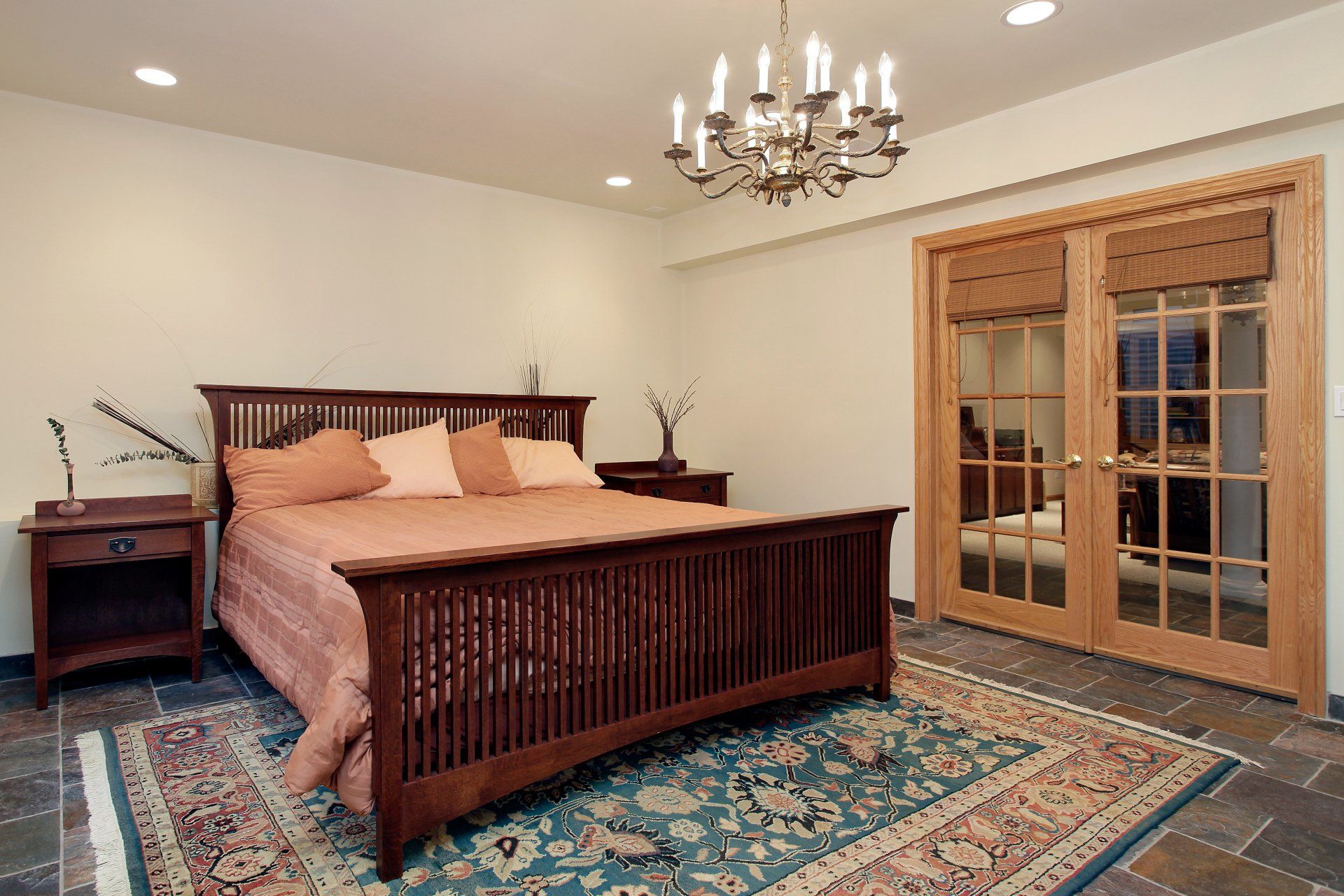
When it's done, you've gone from raw utility space to a legitimate room — a home office, a guest suite, a playroom for the kids, a place to actually watch the game without someone asking you to turn it down. And because you're essentially adding livable square footage without adding to your home's footprint, finishing a basement is one of the smartest returns on investment a homeowner can make.
Remodeling a Basement: Giving an Old Space a New Life
Now picture a different scenario. Your basement is already finished — it has walls, a ceiling, flooring — but it was done back when your parents thought wood paneling was a bold design choice. The carpet is a shade of brown that doesn't exist anywhere in nature. The drop ceiling has a few tiles that have seen better days. Maybe there's a bar in the corner that nobody has touched in years.
The space works, technically. But it doesn't really work for you.
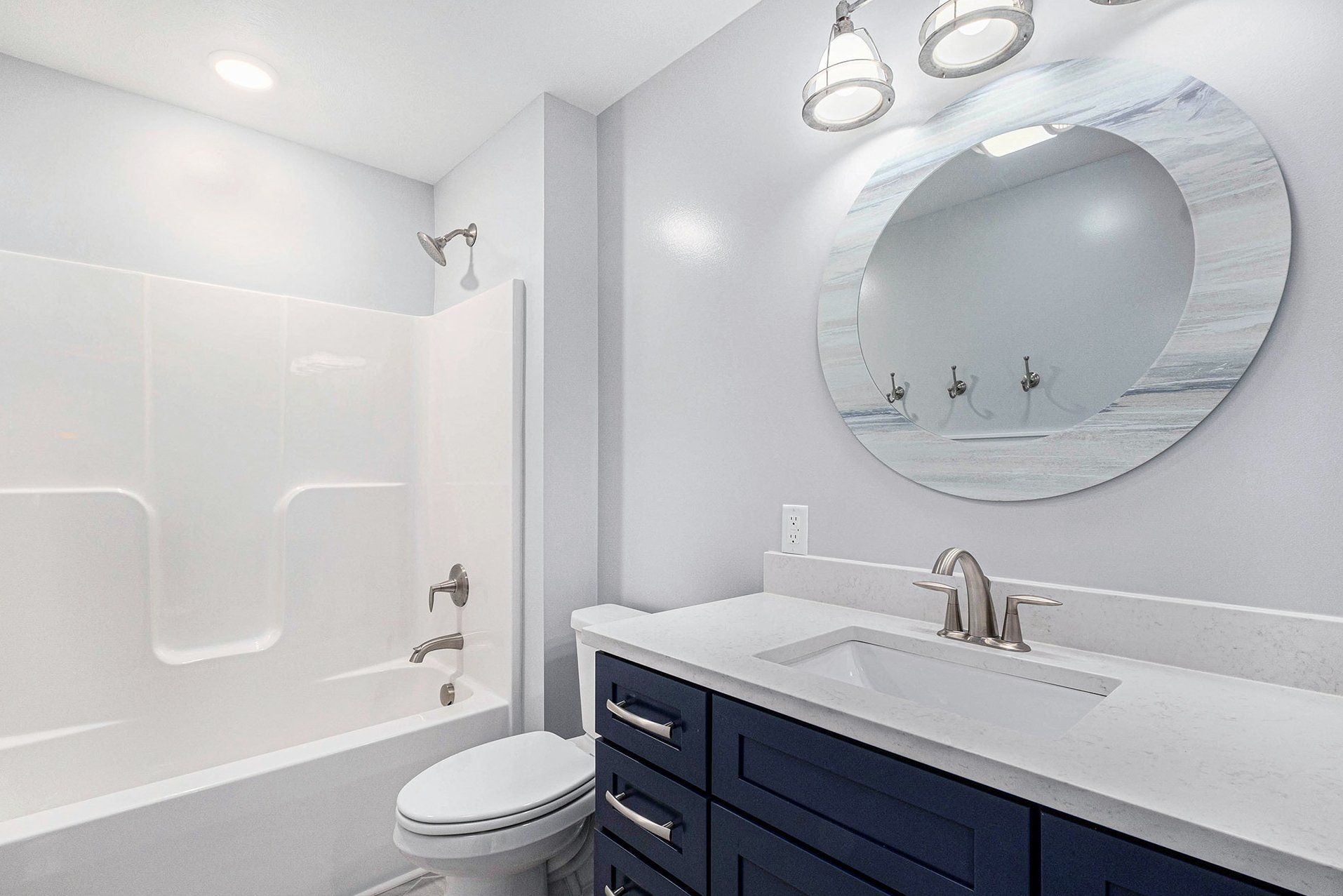
That's when you're looking at a remodel, not a finish. Remodeling means you're taking an existing finished basement and changing it — pulling out what's outdated, reconfiguring the layout, upgrading the materials, and making it feel like it belongs in the same decade as the rest of your home. It could be a lighter refresh — new flooring, updated lighting, a coat of paint — or it could be a full gut where everything comes out and you start the interior fresh.
One thing worth knowing about remodels: they have a way of revealing surprises. Once you start pulling off old paneling or tearing up carpet that's been down since the 80s, you sometimes find moisture damage, mold, or concrete issues hiding underneath. It sounds scary, but it's actually better to find it now than years later. The key is working with someone who knows what to look for and how to handle it properly.
So Which One Do You Actually Need?
The simplest way to sort it out is this: if there's nothing there yet, you're finishing. If something's already there but it needs to change, you're remodeling. The starting point is everything — it shapes your budget, your timeline, and the kind of work that needs to happen.
Grand Rapids has a lot of older homes, many of them built between the 1940s and 1970s. That means you'll find plenty of both situations here — basements that have never been touched sitting right next door to basements that were finished before most of us were born and haven't been updated since.
Both projects require permits through the City of Grand Rapids Building Safety Department. Electrical, plumbing, structural changes, egress windows — all of it gets inspected. A good local contractor handles this as a matter of course, but it's worth knowing upfront so it doesn't catch you off guard.
What Most Homeowners Overlook Until It Becomes a Costly Problem
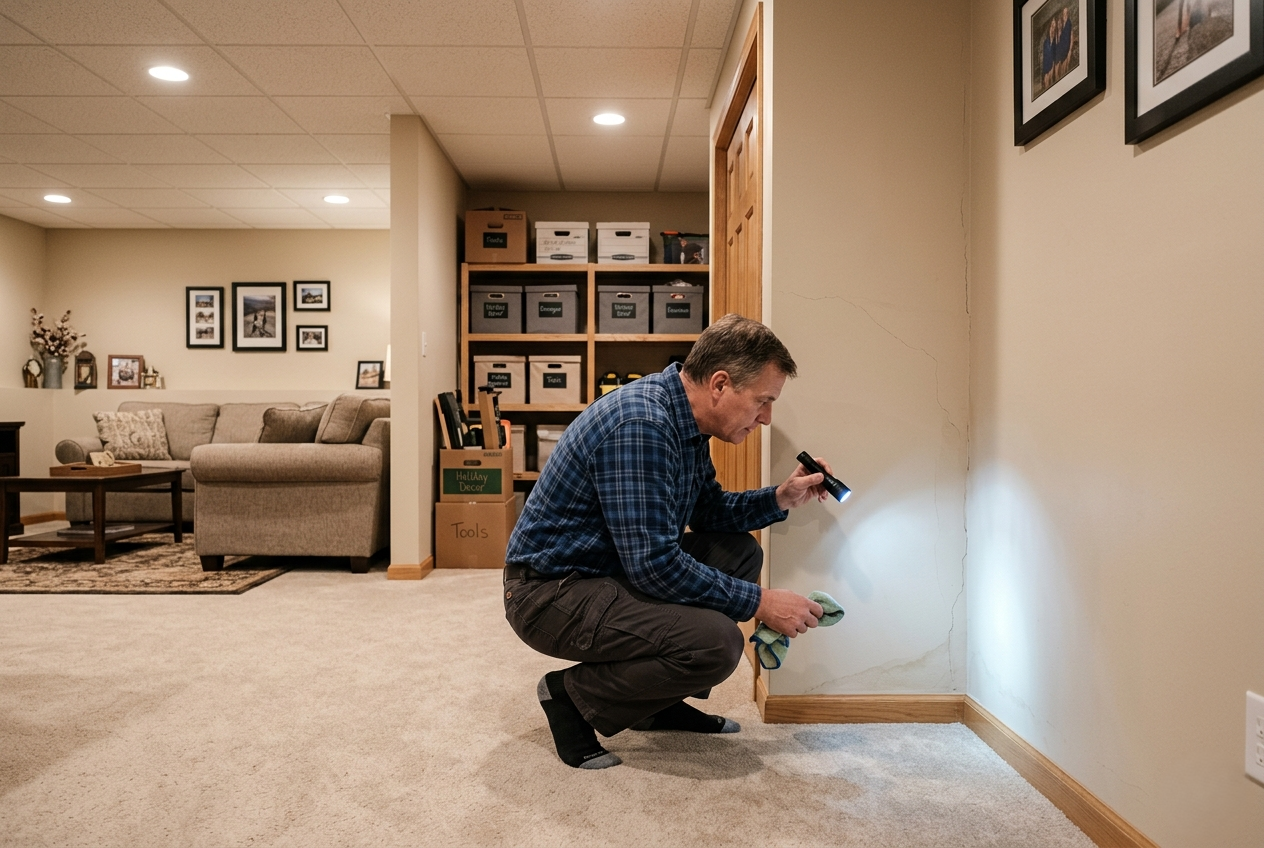
Here’s something that applies to both finishing and remodeling, and it’s the step many homeowners don’t consider until it’s too late: the concrete itself needs to be evaluated before any work begins.
Michigan winters are especially tough on basement walls and floors. The constant freeze-thaw cycle builds pressure, and over time that pressure shows up as cracks, seepage, and moisture intrusion. If you finish or remodel over an existing moisture issue, you’re not fixing it—you’re covering it up. And sooner or later, it comes back, often as mold, warped flooring, and a repair bill far higher than addressing it in the first place.
Having your concrete assessed and handling any necessary waterproofing before installing finishes isn’t an upsell. It’s simply the right sequence of work.
Grand Rapids Basement Pros Is Here to Help
If you've made it this far and you're thinking "okay, I'm ready to actually do something about my basement" — that's a great place to be. The next step is simple: talk to someone who knows Grand Rapids basements inside and out.
At Grand Rapids Basement Pros, we work with homeowners all across West Michigan to assess concrete conditions, repair cracks, handle waterproofing, and prepare basement floors so that everything built on top of it is built to last. We're the team you want involved before the framing goes up and the drywall goes on — because doing it right from the start saves you from doing it twice.
Give Grand Rapids Basement Pros a
call today and let's take a look at what your basement is working with. The estimate is free, and knowing what you're actually dealing with is the best first step you can take.